

Hurricane Preparedness Resources
2026 Atlantic Hurricane Season: June 1 through November 30
Before a Hurricane

Know Your Hurricane Risk
-
Hurricanes can impact areas far beyond the coast. Heavy rain, strong winds, flooding, and tornadoes may occur many miles inland after a storm makes landfall. Preparing ahead of time can help keep your household safe.

Make an Emergency Plan
-
Talk with everyone in your household about what to do before, during, and after a hurricane.
-
Consider any additional assistance that may be needed for older adults, individuals with disabilities, children, or pets.
-
Businesses should also have continuity plans in place to help maintain operations during emergencies.

Know your Evacuation Zone
-
If you live in an evacuation zone, be ready to leave quickly if local officials issue an evacuation order.
-
Familiarize yourself with evacuation routes, practice your plan with your household, and decide where you would stay if evacuation becomes necessary.

Stay Alert to Warnings and Updates
-
Have multiple ways to receive emergency notifications and weather alerts.
-
Sign up for local alerts and monitor updates from trusted sources, including the National Weather Service and local emergency management officials.

Review Important Documents
-
Check that insurance policies, identification, and other essential records are current. Store copies securely in a protected digital location or waterproof container.

Prepare your Home
-
Clear gutters and drains, secure or bring inside outdoor furniture, and consider installing storm shutters or other protective measures.

Get Tech Ready
-
Keep phones and essential electronics charged when a storm is approaching. Backup batteries and portable chargers can help if power outages occur.

Build an Emergency Supply Kit
-
Keep phones and essential electronics charged when a storm is approaching. Backup batteries and portable chargers can help if power outages occur.

Help your Neighborhood
-
Check in with neighbors, older adults, or anyone who may need extra assistance preparing for severe weather.
During a Hurricane
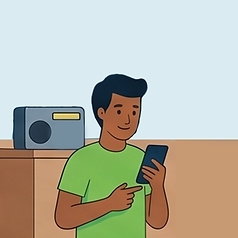
Stay Informed
-
Continue following updates from local officials and weather agencies.
-
If evacuation orders are issued, leave immediately and follow designated routes.

Protect Yourself from Wind & Flooding
-
Move to a designated storm shelter or an interior room away from windows during high winds.
-
If flooding occurs and you become trapped, move to the highest safe level of the building but avoid enclosed attic spaces where rising water could trap you.
-
Take refuge in a designated storm shelter or an interior room for high winds.

Avoid Flood Waters
-
Never walk, swim, or drive through floodwaters. Turn Around. Don’t Drown! Just six inches of fast-moving water can knock you down, and one foot of moving water can sweep your vehicle away.
After a Hurricane

Follow Guidance from Local Officials
-
Wait for authorities to announce when it is safe to return home or resume normal activities.

Use Caution During Cleanup
-
Wear protective clothing, gloves, and face coverings when handling debris or cleaning mold. Cleanup conditions may present health and safety hazards.

Stay Away from Electrical Hazards
-
Do not touch wet electrical equipment or downed power lines. If it is safe, turn off electricity at the breaker box to reduce the risk of electric shock.

Avoid Floodwater Contact
-
Floodwater may contain sewage, chemicals, debris, wildlife, and hidden electrical hazards. Avoid wading through standing water whenever possible.